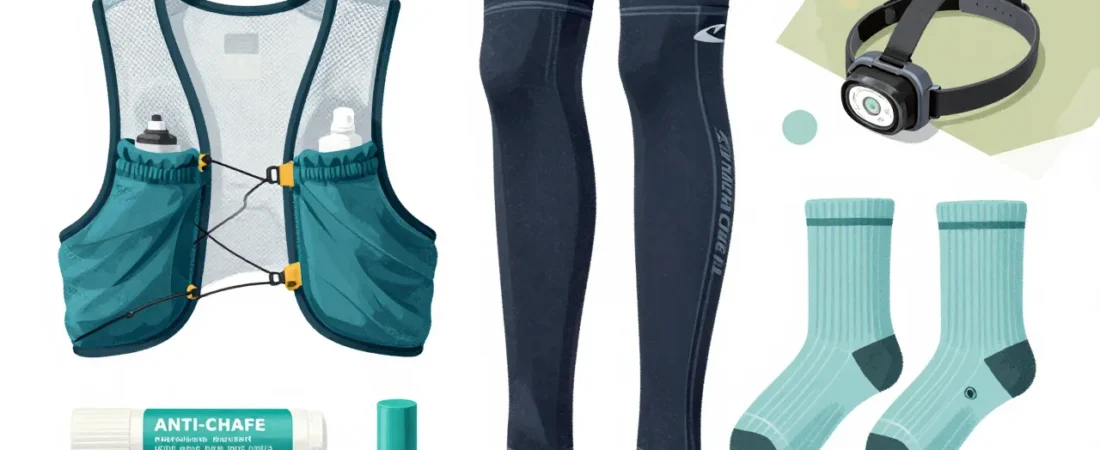
Intermediate runners have shoes, clothes, and earbuds. What they don’t have is the data infrastructure to train smarter, the recovery tools to handle increasing mileage, or the accessories that make early-morning and evening runs actually viable. This guide covers the seven upgrades that running specialty stores like Fleet Feet Austin and Ready to Run consistently recommend to runners in the 15-30 miles per week range.
Two GPS watches are included in this list because the Garmin vs. Coros decision genuinely depends on the recipient’s priorities — AMOLED display and smartwatch features versus dual-frequency GPS accuracy and 38-hour battery. Both are stocked at Austin running specialty stores; both are the right pick for different intermediate runners.
The Picks

Garmin Forerunner 165 GPS Running Watch
Fleet Feet Austin carries the Forerunner 165 as its primary GPS watch recommendation for runners upgrading from phone-based tracking. Forums on LetsRun and r/running consistently name it the best-balanced GPS watch under $250, praising its AMOLED display, Garmin’s training-load and recovery-advisor features, and 11-day battery life.
- AMOLED touchscreen reads clearly in full sun, with button override for sweaty-hand use
- Garmin’s Body Battery and training readiness scores give actionable recovery data, not just raw mileage
- Syncs natively with Strava, Garmin Connect, and Bluetooth headphones — no phone needed on runs
- Single-band GPS can drift slightly under dense tree canopy or urban canyons
- 19-hour GPS battery means a back-to-back weekend of long runs will require a mid-week charge

Coros Pace 3 GPS Running Watch
Stocked at Fleet Feet Austin and confirmed in The Loop’s GPS devices category. OutdoorGearLab Editor’s Choice. The Pace 3 has dual-frequency GPS for superior accuracy on wooded trails (a real consideration for Austin’s Barton Creek Greenbelt) and 38-hour GPS battery life. At 30 grams it disappears on the wrist during long runs.
- Dual-frequency GPS delivers the most accurate positioning of any watch at this price bracket
- 38-hour GPS battery means a full marathon training block without a single mid-week charge
- Coros Training Hub offers free coach-quality training plans that adapt based on completed workouts
- No AMOLED: the Memory-in-Pixel display is always-on and readable outdoors but looks dim indoors
- Touchscreen requires a firm press — gloved hands in cold weather will need to rely on the side button

Balega Hidden Comfort No-Show Running Socks
Stocked at every Austin running specialty store — Fleet Feet Austin, Ready to Run, and Rogue Running all carry Balega as a primary brand partner. In nearly every r/running ‘what socks should I buy’ thread, Hidden Comfort is the consensus first answer, specifically cited for plush mohair-blend cushioning that eliminates hot spots during runs above 10 miles.
- 200-needle-count Drynamix fabric wicks aggressively and dries faster than merino alternatives
- Deep heel pocket and seamless toe box eliminate the bunching and friction that cause blisters on longer runs
- No-show profile with a heel tab that sits just above the shoe collar — zero Achilles rubbing
- Per-pair cost ($14-16) clicks as value only once you experience the difference on a 15-mile long run
- Sizing runs slightly small — order up half a size if between sizes

Salomon Active Skin 8 Hydration Running Vest
Confirmed in stock at Fleet Feet Austin and Ready to Run Austin. iRunFar’s community has made the ADV Skin line its default vest recommendation for intermediate runners for years: 8-liter capacity handles a long training run with room for a layer and nutrition, four-way stretch Sensifit hugs the torso without bounce, and ships with two 500ml soft flasks.
- Includes two 500ml soft flasks in front chest pockets — sip without breaking stride, no separate flask purchase needed
- Minimal-bounce fit tested across marathon distances; chest straps adjust across a wide range of torso sizes
- 8 liters handles phone, nutrition, emergency layer, and keys for a long trail run
- 8-liter capacity can feel tight on very hot days if you want an extra 500ml flask
- Open-weave back panel provides no sun protection — a consideration for Austin summer long runs
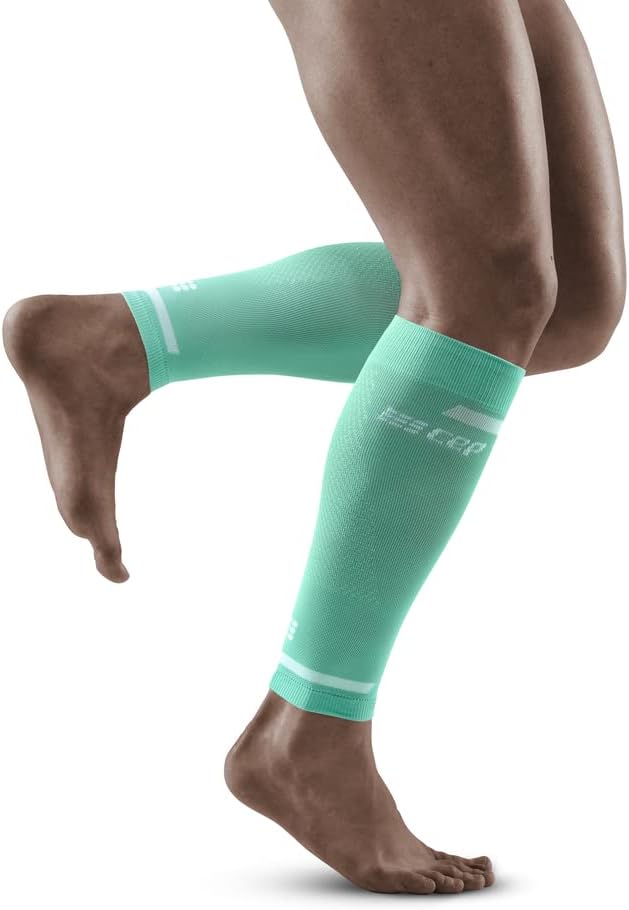
CEP Run Compression Calf Sleeves 4.0
Fleet Feet Austin is a dedicated CEP retail partner and published a full staff gear review of the Run 4.0 Compression Calf Sleeve. The 20-30 mmHg graduated compression is medically calibrated: strongest at the ankle, tapering toward the knee. LetsRun forum runners distinguish CEP as the brand where the compression actually holds its rating wash after wash (rated for 150+ wears).
- Medical-grade 20-30 mmHg graduated compression is clinically validated to reduce calf swelling and accelerate recovery
- Open-structure back-of-calf mesh in the 4.0 version improves airflow significantly — usable in Texas summer heat
- Anatomically shaped to prevent sleeve migration — stays put through 15-mile long runs
- Sizing is precise — runners need to measure calf circumference, not just use shoe size
- At $45 among the pricier calf sleeves

Body Glide Original Anti-Chafe Balm (1.5 oz)
Stocked at both Fleet Feet Austin and Ready to Run Austin as an essential consumable. Body Glide appears in nearly every r/running ‘what do I need for my first half marathon’ checklist. The plant-derived formula creates a dry, invisible barrier that holds through sweat and humidity — specifically called out by Austin runners in r/running for summer long runs. 29,000+ Amazon reviews at 4.6 stars.
- Dry, non-greasy application — does not stain technical running fabrics the way petroleum-based alternatives do
- One stick lasts 3-4 months of regular use; at $9 the most cost-effective item on this list
- Works on any friction zone: thighs, underarms, heel tabs — one product covers every chafe point
- The 1.5 oz stick can feel small for runners who apply generously to multiple zones; the 2.64 oz size is better for heavy users
- Not waterproof-grade — heavy rain can reduce effectiveness
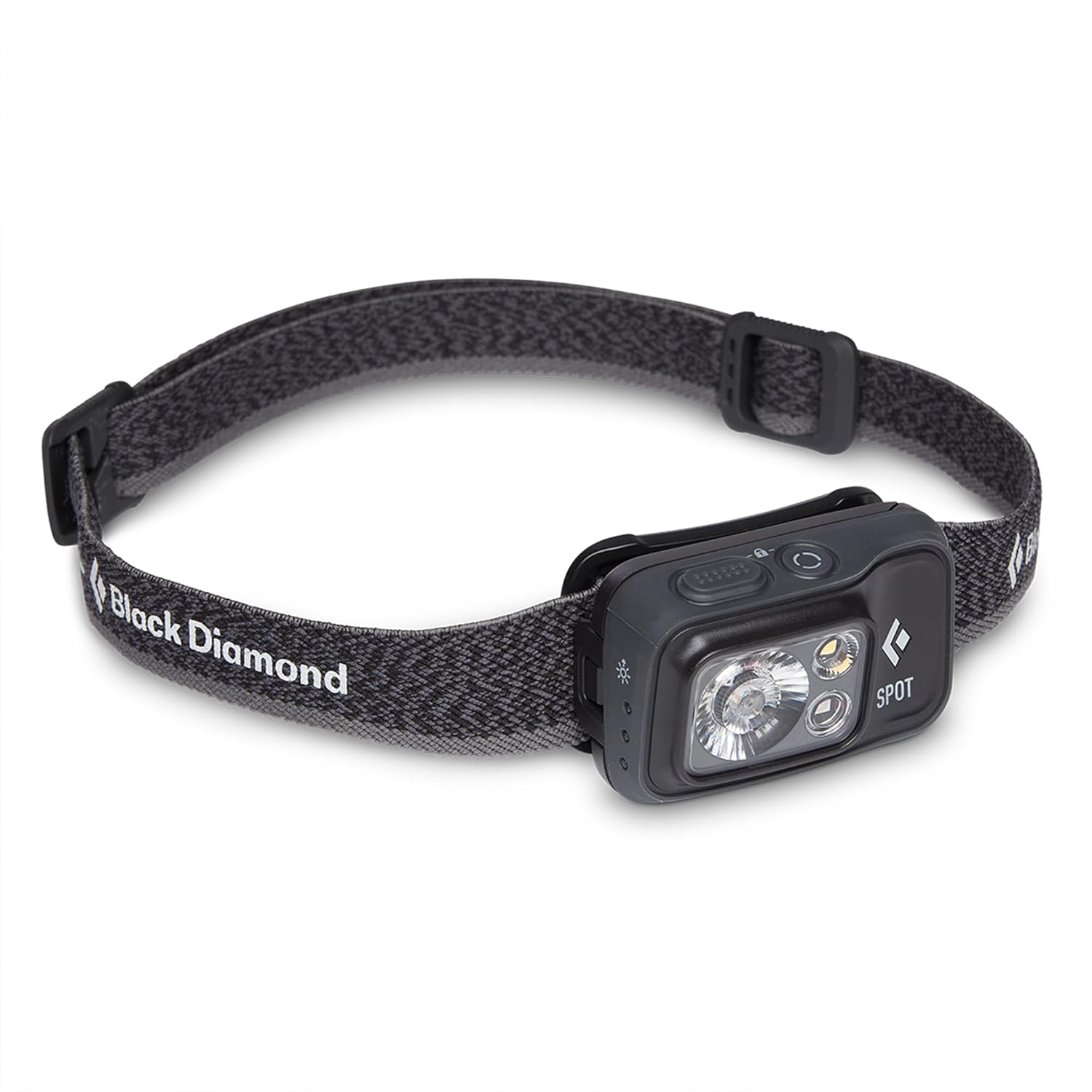
Black Diamond Spot 400 Headlamp
Stocked at REI Austin and Whole Earth Provision Co as a standard outdoor gear item. On LetsRun’s headlamp thread, multiple experienced runners identify the Black Diamond Spot as the quality threshold for running: 400 lumens to illuminate trail features at a running pace, stays stable on a headband at any effort level, and includes red night-vision mode for road running without blinding oncoming drivers.
- 400 lumens on high — enough to distinguish roots and rocks at a 9-minute-per-mile trail pace, and dimmable for road use
- IPX8 waterproof rating handles Texas thunderstorm conditions; PowerTap technology switches from full to dim with a single touch mid-run
- Red night-vision LED for road running preserves your night vision while keeping you visible to traffic
- AAA battery powered — runners who prefer rechargeable must buy the separate BD Li-ion battery pack or upgrade to the Spot 400-R model
- At 86 grams slightly heavier than ultra-light running-specific headlamps like the Petzl Bindi
What to skip
Skip generic running shorts and shirts — an intermediate runner has already formed strong preferences about fabrics, fit, and brands they won’t compromise on. Skip race bibs, running-themed mugs, and ‘running lover’ merchandise. Skip budget fitness trackers that don’t provide GPS pace data — an intermediate runner specifically needs per-mile splits, not just step counts. And skip foam rollers unless you’re certain they don’t already own one, which most do.
The GPS watch is the single item that most intermediate runners say changed how they train — it converts running from feel-based to data-driven, and the training load and recovery scores in both the Garmin and Coros ecosystems are genuinely useful tools for someone logging 15+ miles per week. Pair either watch with Balega socks and Body Glide and you have a complete gift that covers both daily training quality and long-run comfort.