Games and collecting hobbies satisfy the human drive to master systems, build communities, and curate meaningful objects. Whether you’re drawn to strategic board games, competitive video games, or the hunt for rare collectibles, these hobbies offer deep engagement and social connection.

The best part? Many games require minimal investment to start, and collecting can begin with whatever catches your interest—no expertise required.

Popular Games & Collecting Hobbies

Board Games & Tabletop

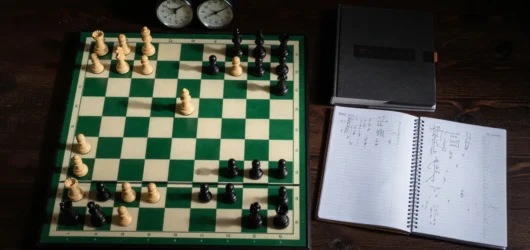
Modern board gaming has evolved far beyond childhood classics. Strategic euros, cooperative adventures, party games, and legacy campaigns offer experiences for every preference. Game cafes and meetup groups make finding players easy.

Time to start: 30 min – 3 hours per game | Initial cost: $20-60 per game | Players needed: 1-8 typically

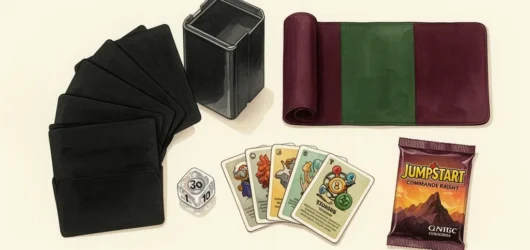
Trading Card Games

Deck-building combines collection, strategy, and community. Magic: The Gathering, Pokémon, and newer games offer competitive and casual play. Start with pre-constructed decks before investing in singles or booster packs.

Time to start: 1 hour (learn basics) | Initial cost: $15-50 (starter deck) | Players needed: 2+

Tabletop Role-Playing Games

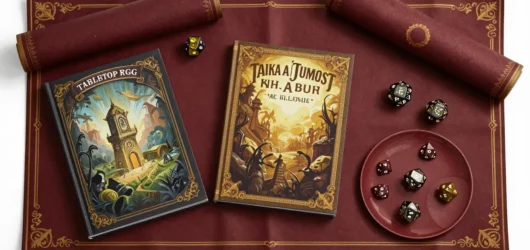
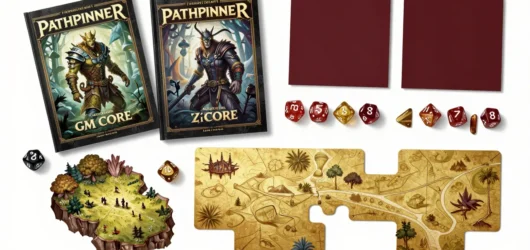
Collaborative storytelling with rules. Dungeons & Dragons leads the category, but countless systems exist for every genre—sci-fi, horror, superhero, historical. One person runs the game; others play characters. Imagination is the main requirement.

Time to start: 3-4 hours per session | Initial cost: $0-50 (free rules exist) | Players needed: 3-6 ideal

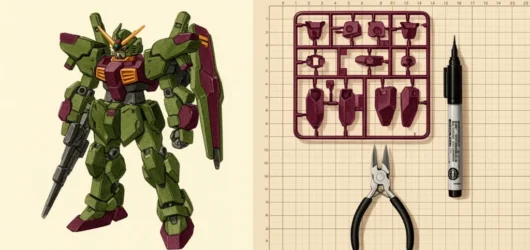
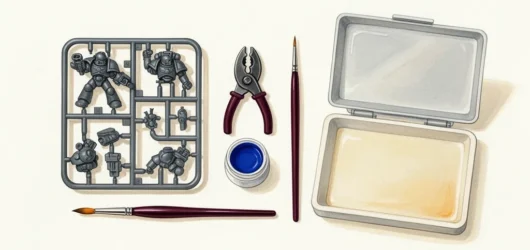
Miniature Wargaming

Strategy games with painted armies on tabletop battlefields. Warhammer dominates, but historical and skirmish games offer alternatives. Combines gaming with the modeling/painting hobby—two hobbies in one.

Time to start: Hours to days (assembly + learning) | Initial cost: $100-300 (starter sets) | Players needed: 2+

Puzzles

Solitary or shared challenge with clear completion. Jigsaw puzzles range from relaxing to infuriating depending on piece count and image complexity. Mechanical puzzles, escape room boxes, and puzzle hunts add variety.

Time to start: Variable | Initial cost: $10-50 | Players needed: 1+

Video Gaming

The most accessible gaming hobby—devices you already own likely play games. Genres span relaxation (farming sims), challenge (roguelikes), competition (esports), and storytelling (RPGs). Free-to-play options lower barriers further.

Time to start: Immediately | Initial cost: $0-500+ (console/PC) | Players needed: 1+

Collecting (General)

The joy of hunting, finding, and curating. Vinyl records, vintage toys, coins, stamps, sneakers, watches—anything can become a collection. Start by noticing what you’re already drawn to; formalize it with research and community.

Time to start: Immediately | Initial cost: Varies wildly | Players needed: 1 (but community helps)

Sports Card Collecting

Combines sports fandom with investment potential. Modern cards range from cheap base sets to valuable inserts and autographs. Understanding grading, market trends, and authentication matters for serious collectors.

Time to start: Immediately | Initial cost: $5-100+ | Players needed: 1

Getting Started with Games & Collecting

These hobbies share common entry points:

  1. Try before buying deep — Board game cafes, free video game trials, and thrift store finds let you explore cheaply.
  2. Find your community — Local game stores, Reddit communities, Discord servers, and Facebook groups connect you with experienced hobbyists.
  3. Set boundaries early — Both gaming and collecting can become expensive. Decide budgets before enthusiasm takes over.
  4. Quality over quantity — Five games you play repeatedly beat fifty games gathering dust. Same applies to collections.

Essential Skills

These fundamentals apply across games and collecting:

  • Rules comprehension — Read the manual completely before playing. Most confusion comes from skipped sections.
  • Graceful losing — Games require losing. How you handle defeats determines whether people want to play with you.
  • Research skills — For collecting: understanding authenticity, condition grading, and fair market value protects against bad purchases.
  • Storage and organization — Collections need care. Proper storage preserves value and enjoyment.

Explore Games & Collecting Content

New to gaming? Start with our at-home hobbies guide for accessible board game recommendations. Looking for gifts? Browse gift guides for curated game selections.

For hobby gear like card sleeves, storage solutions, and gaming accessories, check our gear guide. Interested in the creative side? Our art category covers miniature painting.

HobbyRamp earns from qualifying Amazon purchases. This doesn’t affect our recommendations—we only suggest products we’d use ourselves.