Music and performance hobbies connect you to something primal—rhythm, melody, and the rush of creating sound. Whether you’re picking up an instrument for the first time, developing your singing voice, or learning to DJ, musical hobbies offer lifelong growth with rewards at every stage.
The myth that you need to start young is exactly that—a myth. Adult learners bring focus, motivation, and life experience that accelerate progress in ways children can’t match.
Popular Music & Performance Hobbies
Guitar (Acoustic & Electric)
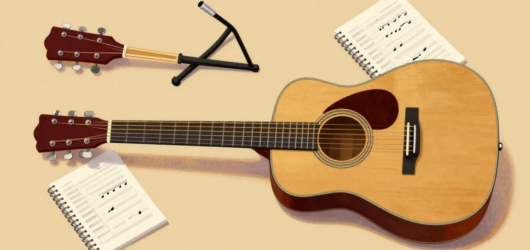
The most popular instrument for a reason: guitars are portable, affordable, and versatile across genres. Acoustic requires no additional gear; electric opens tonal possibilities but needs an amp. Start with simple chord songs—you’ll play recognizable music within weeks.
Time to start: 30 minutes daily | Initial cost: $100-300 | Space needed: Any room
Piano & Keyboard
Visual layout makes piano intuitive for understanding music theory. Full-size keyboards offer weighted keys that mimic acoustic feel; smaller options save space and money. Learning piano transfers to understanding all other instruments.
Time to start: 30 minutes daily | Initial cost: $100-500 | Space needed: Table or stand
Ukulele
Four strings, small size, and forgiving technique make ukulele the easiest string instrument for beginners. You’ll play songs on day one. The community is welcoming, and the instrument travels anywhere.
Time to start: 15 minutes | Initial cost: $50-150 | Space needed: Minimal
Drums & Percussion
Rhythm is fundamental to all music. Electronic kits enable apartment-friendly practice; acoustic drums require space and tolerant neighbors. Hand drums (djembe, cajón) offer acoustic options without the full kit commitment.
Time to start: 30 minutes daily | Initial cost: $200-800 | Space needed: Dedicated area
Singing & Vocal Training
Your voice is an instrument you already own. Vocal training improves range, control, and confidence—useful beyond music for public speaking and communication. Start with YouTube tutorials; consider lessons for serious development.
Time to start: 15 minutes daily | Initial cost: Free-$50/lesson | Space needed: Any private space
Music Production & DJing
Create electronic music or mix existing tracks. Software like Ableton, FL Studio, or GarageBand turns any computer into a studio. DJing focuses on selection and mixing; production involves creating from scratch. Both have steep but rewarding learning curves.
Time to start: 1-2 hours | Initial cost: $0-500 (software + controller) | Space needed: Computer desk
Wind Instruments
Harmonica offers immediate gratification and portability. Recorder is often dismissed but teaches fundamentals well. Saxophone, clarinet, and flute require more investment but produce distinctive sounds worth pursuing.
Time to start: 20-30 minutes daily | Initial cost: $20-500+ | Space needed: Any room
String Instruments (Violin, Cello)
Bowed strings have a steeper initial learning curve—producing pleasant sound takes patience. But the expressive range rewards dedication. Rental programs let you try before committing to purchase.
Time to start: 30+ minutes daily | Initial cost: $100-500 (rental) | Space needed: Any room
Getting Started with Music
Musical hobbies share a learning pattern:
- Start with songs you love — Motivation matters more than “proper” beginner pieces. Learn music you want to play.
- Practice consistently, not marathon sessions — 20 minutes daily beats 3 hours once a week. Your brain consolidates skills during rest.
- Use a metronome early — Timing is the foundation of musicality. Train it from the beginning, not later.
- Record yourself — You can’t hear yourself accurately while playing. Recordings reveal issues you didn’t notice.
Essential Music Skills
These fundamentals apply across instruments:
- Rhythm and timing — Feeling the beat matters more than hitting every note. Practice with backing tracks and metronomes.
- Basic music theory — Understanding scales, chords, and keys accelerates learning any instrument. Start simple; expand as needed.
- Ear training — Recognizing intervals and chords by sound enables playing by ear and improvisation.
- Practice technique — Slow, focused repetition builds muscle memory. Speed comes from accuracy, not rushing.
Explore Music Content
New to music? Start with our beginner hobbies guide for instrument recommendations matched to your goals. Looking for gifts? Browse creative gift guides for musician supplies.
For gear advice on instruments, accessories, and recording equipment, check our gear guide. Ready for performance? Our advanced guide covers recording, stage presence, and music theory application.
HobbyRamp earns from qualifying Amazon purchases. This doesn’t affect our recommendations—we only suggest products we’d use ourselves.