
There is a specific moment that happens to serious beginners, usually somewhere around week six or eight of going consistently. Your average is climbing. Your footwork is starting to feel automatic. And you pick up a house ball off the return rack and something feels fundamentally wrong — not the fit, though that is also bad, but the information. The ball rolls down the lane and does almost nothing, and you cannot tell whether that pocket hit was good mechanics or a lucky bounce. That is not a training tool. That is noise.
The house ball is a polyester straight shooter built for casual use. It does not discriminate between a clean release and a sloppy one. For a committed adult beginner with enough athleticism to generate real ball speed, that feedback gap is genuinely harmful. You will spend sessions grooving bad habits the house ball never punishes.
Buying your first reactive resin ball is one of the highest-leverage decisions you will make as a developing bowler. Get the aggression level wrong and you will fight the ball for months. Get it right and every session becomes calibrated practice. This guide is specifically written for adult beginners who come from athletic backgrounds — people who generate speed, who want to compete at league level, and who are willing to take the game seriously enough to own their equipment.
How we select these picks
- Specialty retail first: We start with what established bowling pro shops and specialty retailers actually carry — Buddies Pro Shop, Storm’s authorized dealer network, and Brunswick’s certified retail partners. Pro shops whose business depends on repeat customers do not stock balls that frustrate beginners.
- Community consensus: We cross-reference retail inventory against what committed beginners and intermediate bowlers recommend in their own communities — r/Bowling, TalkBowling.com, and BowlingChat.net. Balls that appear consistently across both signals get the heaviest weight.
- Stage and profile fit: Every pick is evaluated against a specific target profile: adult beginner, athletic background, speed-dominant delivery (16–18+ mph), transitioning from conventional to fingertip grip, bowling on typical house shot (THS) oil patterns.
- Budget range: Picks span $87.99 to $149.99 before drilling, so the guide works whether you are spending $140 all-in or $225 with pro shop fees.
- Skip-this guidance: Where a popular ball or category is wrong for this specific stage, we say so and explain the mechanical reason why.
Why the House Ball Is Actually Holding You Back
This is not about the finger holes, though those are also a problem. House balls are polyester-cored, a material engineered specifically to produce minimal friction with the lane surface. They go straight. Not mostly straight — actually straight. That is by design: polyester removes the variable of lane oil from the equation entirely, which is exactly what you want when you are renting shoes to a bachelorette party on lane 14.
For you, that property is toxic. A committed adult beginner with a background in throwing sports is generating somewhere between 15 and 20 mph of ball speed plus meaningful axis rotation off the hand. On a polyester ball, that energy just translates to speed. The ball hits the dry boards at the backend and keeps going more or less in the same direction. A bad release and a good one look nearly identical on the scoresheet.
Reactive resin coverstock works completely differently. The material is chemically reactive to lane oil — it grips the dry boards and converts your rotation into hooking motion. That means every release gives you real information. A clean, consistent release produces a clean, consistent arc. A collapsed wrist or a rushed armswing shows up immediately as unpredictable hook shape. The ball tells you the truth. That feedback is what you are paying for.
Reactive Resin 101: What the Specs Actually Mean
Most beginners ignore the spec numbers on bowling balls because the terminology is opaque. You only need to understand three: RG, Differential, and Coverstock type.
RG (Radius of Gyration) tells you how early the ball wants to enter its rolling phase. Higher RG (2.57+) means the ball stays skidding longer and transitions later — more length, cleaner front-end read. Lower RG (2.48–2.52) means earlier roll, more mid-lane motion. For a speed-dominant bowler, higher RG gives you more time for the ball to read the dry zone before snapping.
Differential measures the ball’s ability to flare. Low differential (0.020–0.030) produces a smooth, arcing motion. High differential (0.045+) produces more angular, snappy hook shape. For a beginner, low-to-mid differential is your friend. Predictable arc shape is learnable. Violent backend is not yet.
Coverstock type determines surface reactivity. Pearl coverstock skids longer and hits the backend with more energy — angular, length-friendly. Solid coverstock reads mid-lane earlier — stronger overall arc, less backend pop. Hybrid sits between the two. For most athletic beginners on a typical house shot, hybrid or pearl reactive is the right call.
| Ball | RG | Differential | Cover | Hook Potential | Price |
|---|---|---|---|---|---|
| Hammer Arctic Vibe | 2.51 | 0.042 | HK22 Hybrid | 4/5 | $108.99 |
| Motiv Venom Shock | 2.48 | 0.034 | Turmoil MFS Solid | 5/5 | $149.99 |
| Brunswick Rhino | 2.524 | 0.030 | R-16 Pearl | 3/5 | $87.99 |
| Storm Tropical Surge | 2.57–2.64 | 0.020–0.025 | Pearl Reactor | 3/5 | $94.99 |
| Roto Grip Hustle Glow | 2.53 | 0.030 | VTC Pearl | 4/5 | $109.95 |
| Motiv Ascend | 2.59 | 0.023 | Vitality Pearl | 2/5 | $93.99 |
| Motiv Max Thrill Hybrid | 2.55 | 0.037 | Turmoil XP3 Hybrid | 5/5 | $129.95 |
The Controlled-Hook Profile: Why More Is Not Better Yet
The natural impulse for a competitive athlete buying their first reactive ball is to maximize hook. Resist that impulse. It will cost you six months of useful development time.
On a typical house shot, the target total hook for a developing athletic bowler is roughly 6 to 8 boards. At that range, small adjustments in your starting position or target produce proportional changes in ball path. You can learn to control it. At 12 to 15 boards of total hook, small errors become large misses. You spend your practice sessions chasing the ball rather than reading it.
The ideal first reactive ball delivers readable mid-lane transition — you can see the ball beginning to change direction in the oil-dry transition zone — with a controlled backend response that rewards a clean release without destroying you on a miss. The Hammer Arctic Vibe’s HK22 Hybrid coverstock is engineered to do exactly that. The mid-lane motion is visible and informative. The backend pop is real enough to carry corners but not so violent that a slightly early rotation blows the ball through the nose.
Entry-Level vs. Mid-Performance Reactive: Where the Line Is
The price tiers break down like this: true entry-level reactive sits under $90 (Brunswick Rhino). The sweet spot for committed beginners sits at $90 to $115 (Storm Tropical Surge, Hammer Arctic Vibe, Roto Grip Hustle Glow, Motiv Ascend). Mid-performance reactive starts around $115 and runs to $150 (Motiv Max Thrill Hybrid, Motiv Venom Shock).
The difference between tiers is two concrete things: coverstock compound sophistication and surface adjustability. Entry-level balls work well out of the box but offer limited range when you want to adjust surface texture for different oil conditions. Mid-performance balls respond meaningfully to surface adjustments — a pass with 2000-grit Abralon pad will genuinely change ball motion. For most serious beginners, the sweet spot tier is the right call.
Our Picks: Reactive Balls for Committed Adult Beginners
These seven balls are ranked by how well they serve a speed-dominant adult beginner on a house shot who wants controlled backend motion and honest release feedback — not by price or brand prestige.

Hammer Arctic Vibe
The HK22 Hybrid coverstock is the reason this ball leads the list. Hybrid covers blend the length characteristics of pearl with the mid-lane read of solid — you get clean skid through the front 40 feet, a visible and informative transition in the oil-dry boundary, and a backend response that rewards a clean axis rotation without detonating on a slight miss. The symmetric Vibe core’s 0.042 differential gives you enough flare potential to produce a real arc shape without the violence of a high-differential asymmetric core. This is the ball that teaches you something on every shot. Hammer’s 2-year manufacturer warranty is also the best in this lineup.
- Clear, readable mid-lane transition builds adjustability skills
- Backend pop strikes consistently without unpredictability
- Industry-best 2-year manufacturer warranty
- Hybrid coverstock can over-respond on burned-down lanes mid-session when oil has been heavily absorbed
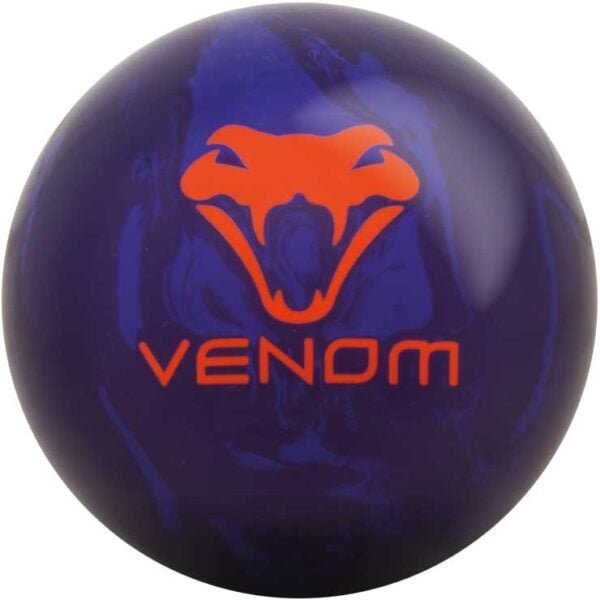
Motiv Venom Shock
The benchmark ball for bowlers who want to start reading lane conditions from session one. The 4000-grit sanded solid coverstock creates genuine mid-lane hook that shows you what the lane is doing in the oil-transition zone — exactly the skill you need to develop. The lowest RG in this lineup (2.48) means earlier energy transfer and better pin carry for high-speed throwers. At $149.99, it is the most expensive pick here, but a bowler committed to league play for two or more years will get the longest useful lifespan out of this cover compound.
- Smooth, defined arc teaches adjustability and lane-reading skills
- Lowest RG in lineup — best energy retention for high-speed throwers
- Sanded coverstock reads mid-lane transition honestly
- Sanded solid coverstock absorbs oil faster — needs more frequent ball cleaning between sessions
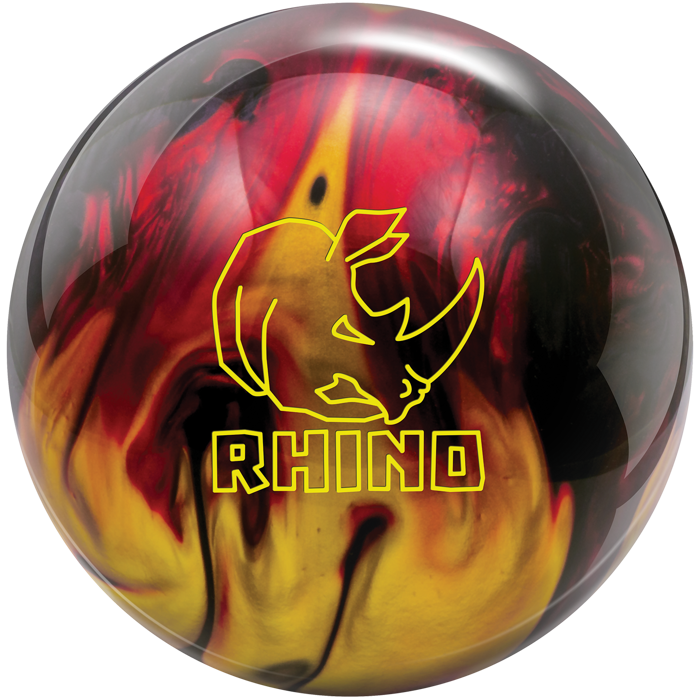
Brunswick Rhino
The Rhino is what pro shop staff reach for first when a new bowler asks what to buy — not the most exciting ball, but that is the point. The R-16 Pearl produces a smooth, forgiving arc that is nearly impossible to over-hook on a typical house pattern. At under $90 it is the lowest financial commitment in this lineup. The downside is real: an athletic bowler generating consistent speed will feel this ball plateauing within 12 months. Buy it as an honest starting point, not a long-term tool.
- Smooth arc — best for repeating the same shot while technique is being grooved
- Lowest price in the lineup under $90
- Widely stocked and well-understood by every pro shop technician
- Athletic bowler will feel it plateauing within 12 months — limited room to grow
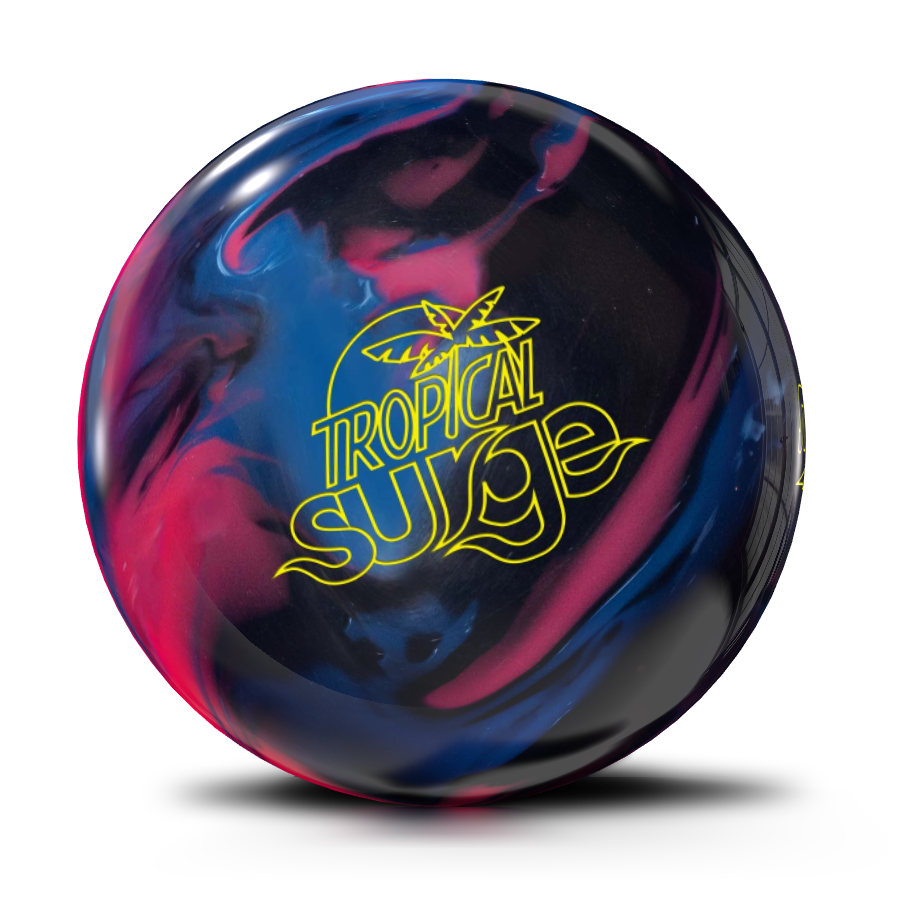
Storm Tropical Surge
The best pick for speed-dominant throwers consistently at 17 mph or above. The Surge core’s high RG keeps the ball on line through the front 40 feet without prematurely rolling. It does not read the lane until it hits the dry boards — exactly the shape a fast bowler needs to keep the ball from dying before it reaches the pocket. Independent testing consistently shows 6 to 8 boards of total hook on a standard house shot, right inside the target window. The honest downside: that high RG and low differential profile means an athletic bowler will feel its ceiling within a season.
- High RG keeps ball on line through front 40 feet — built for speed
- Widest Amazon review base of entry-level reactive balls for style-matching research
- Most forgiving of a miss-left for a speed-dominant bowler
- Athletic bowler will feel its ceiling within 8–12 months of consistent play
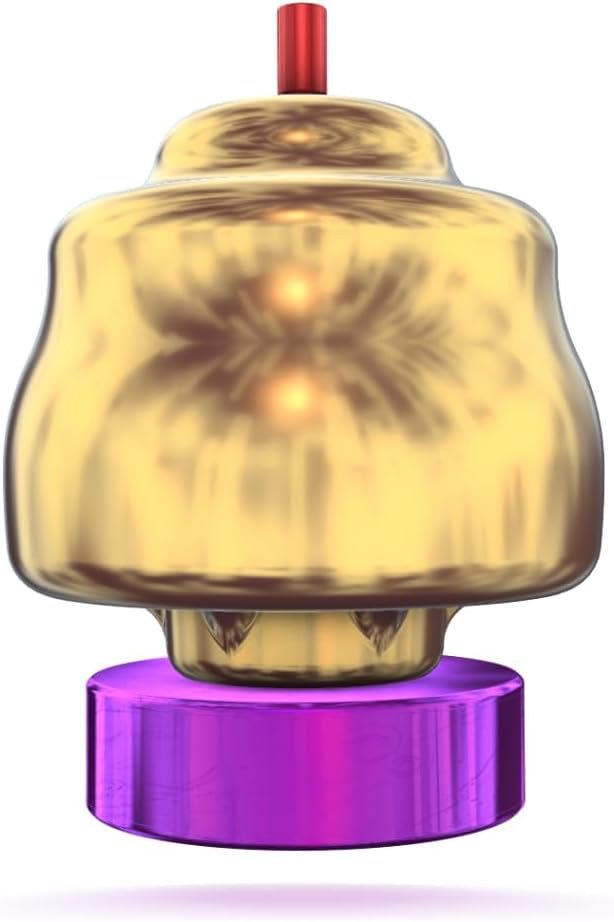
Roto Grip Hustle Glow
The Hustle core has been in continuous production since 2016, which matters more than it sounds. Any experienced pro shop technician has drilled dozens of Hustle-core balls and knows exactly how a given layout will affect the motion. The skid-flip shape — clean and fast through the front, then a defined change-of-direction at the dry zone — is more angular than the smooth arc of the Rhino or Ascend. That makes it a slightly harder ball to learn on, but a more useful teaching tool for a bowler who wants to develop a sharper entry angle into the pocket.
- Defined, repeatable skid-flip shape develops entry-angle awareness
- Established core — well-understood by pro shop technicians for layout advice
- Consistent symmetric construction with minimal manufacturing variance
- Skid-flip motion harder to learn than a smooth arc for some beginners

Motiv Ascend
The most forgiving ball in this lineup. The Flux V2’s 0.023 differential — lowest in the guide — produces the smoothest, most gradual arc available in a reactive resin ball at this price point. If you are still actively working on wrist position and release consistency, this ball will not punish an imperfect delivery. Under $95, the financial risk is manageable. The honest caveat: an athletic bowler who commits to practice will feel this ball’s ceiling within three to six months. Treat it as a bridge ball, not a long-term training tool.
- Smoothest arc in the lineup — hardest ball to over-hook
- Low investment risk under $95
- Forgiving of speed variation between shots
- Athletic bowler will feel it plateauing within 3–6 months of consistent practice
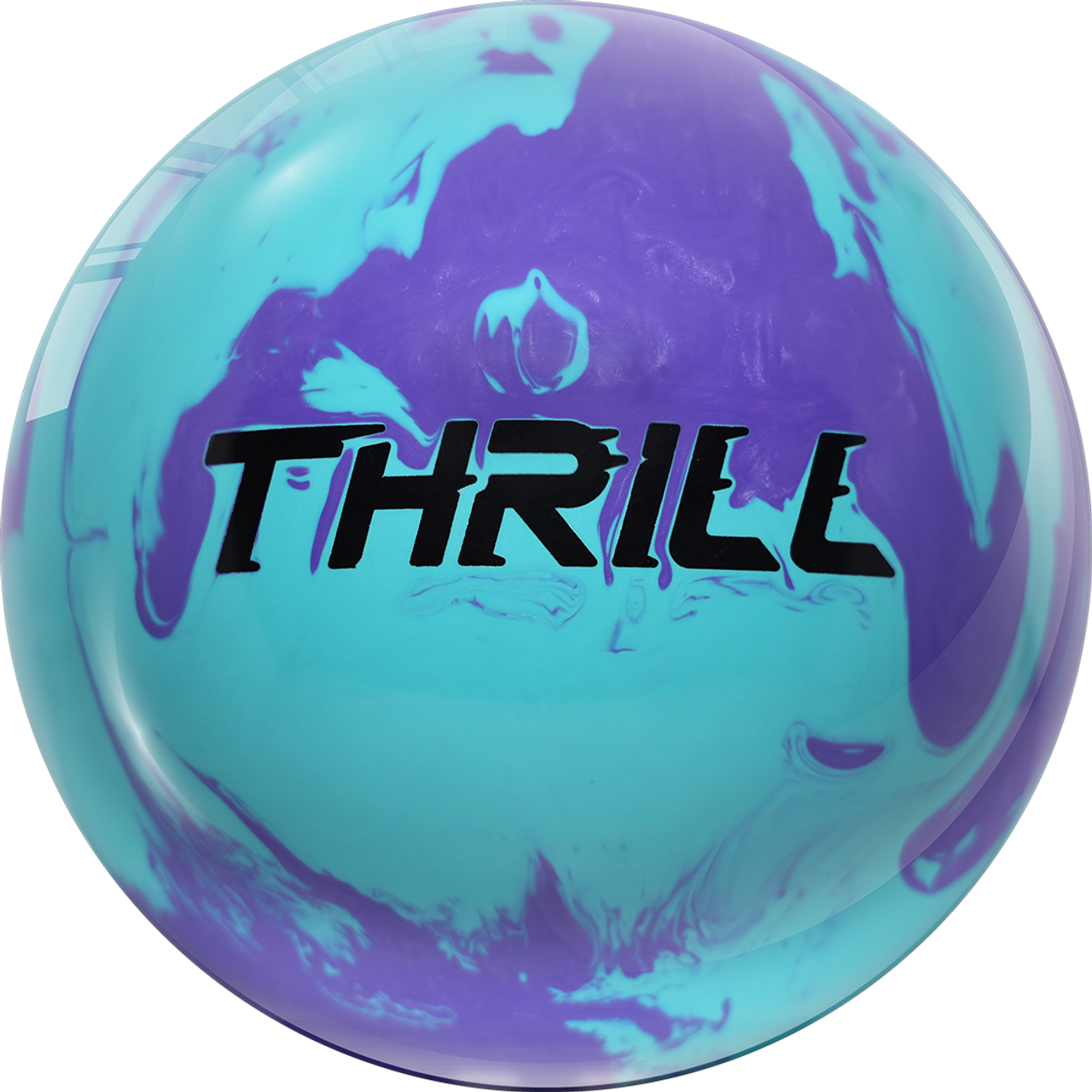
Motiv Max Thrill Hybrid
Designed for high-rev rotational athletes — the ball physics map directly to what someone from a rugby or football background tends to produce naturally. The Turmoil XP3 Hybrid coverstock is the most surface-adjustable cover in this entire lineup, meaning a pro shop technician can tune it meaningfully for different oil conditions as your game develops. That adjustability gives it the longest useful lifespan before upgrade. The caveat: new release with minimal independent review data. If community validation matters to your buying confidence, wait six months. Also requires deliberate pro shop surface preparation before bowling it.
- Most surface-adjustable cover in the lineup — longest useful lifespan
- Controlled flare generates carry through pins at higher velocities
- Michigan manufacturing with tight quality control standards
- Only 2 Amazon reviews as of publication — new release with limited independent validation
- Requires pro shop surface prep before performing as designed
What to skip
Two traps catch more serious beginners than anything else in this category. First: any ball marketed with language like “maximum hook,” “tournament performance,” or “high-flare asymmetric core.” These balls are engineered for bowlers who have already developed consistent axis rotation. On a developing release, they produce random, unpredictable motion. Second — do not buy a second reactive ball as a spare ball. Buy a cheap polyester ball ($35 to $50 — Columbia 300 White Dot or equivalent) and throw it dead straight at spares. That is how the professionals handle it. Save the reactive resin for your strike line.
The Pro Shop Is Not Optional — What Gets Decided There
Buy the ball undrilled. Then take it to a certified pro shop — not the lane desk at your bowling center, an actual pro shop with a drill press and a certified technician. Drilling costs between $50 and $75 depending on your market.
Three things get decided at the pro shop that you cannot replicate at home. First, span setting — the distance between your finger holes — determines how securely you grip the ball and directly affects your release. Second, grip choice: conventional (fingers inserted to the second knuckle) versus fingertip (inserted to the first knuckle). Fingertip grip increases axis rotation and is the standard for reactive ball performance, but your technician should assess your current delivery first. Third, drilling layout — the pin placement relative to your track — determines how aggressively the core engages. For a first reactive ball, your technician will drill something conservative and symmetrical. That is correct.
What to Expect in Your First 10 Sessions
Session one feels wrong. Not bad — wrong. The ball hooks more than you expected even when you think you are doing the same thing you did with the house ball. That reaction is the point. Your release is no longer being absorbed by polyester. Let it be strange and pay attention to what it is telling you.
Speed matters more than you think it will. An athletic background gives you a natural advantage here — you likely generate more ball speed than the average beginner. Trust the speed. Do not try to add revs or hook by muscling the ball; let the coverstock do the work.
By sessions four through six, you will start making instinctive adjustments and watching the ball respond predictably. By sessions eight through ten, you will know what your ball is doing and have a working theory for why. That is the moment the game opens up.
What to Buy Next Once You Outgrow This Ball
Two signals tell you it is time to consider an upgrade. Your average crosses 150 consistently. And you are making repeatable adjustments — not guessing, but deliberately moving and watching the ball respond the way you predicted.
The spare ball comes first. A $35 to $50 polyester spare ball thrown straight at single pins eliminates an entire category of error from your game. Buy it before you buy anything else.
For the strike-ball step-up, the natural move from the Hammer Arctic Vibe or Brunswick Rhino is something in the Motiv Venom Shock tier — more oil absorption, earlier mid-lane read, stronger overall arc. The house ball was holding you back because it gave you no signal. Your first reactive ball’s job is to give you honest signal at an aggression level you can act on. Pick the ball that fits your current delivery and commit to reading what it tells you. The score will follow.