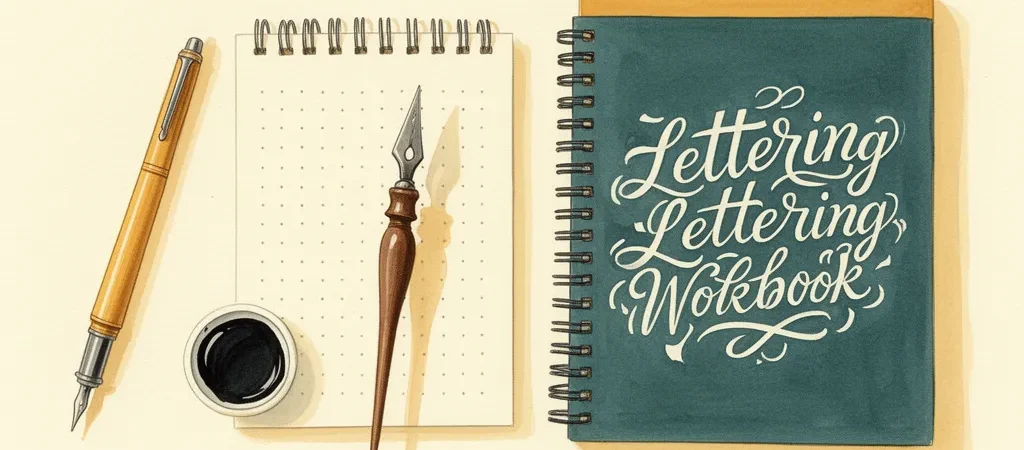
Most calligraphy gift guides open with a dip pen and a bottle of ink because it photographs like “real” calligraphy. That’s also why so many of those kits end up in a drawer by week two. Nib prep, ink viscosity, and holder angle are technique problems stacked on top of the actual skill a beginner is trying to build — and stacking them all at once is how enthusiasm dies.
This guide is for the person buying a calligraphy gift for someone who has never held a broad-edge pen: a friend who just discovered hand-lettering on Instagram, a partner who wants to address wedding envelopes, a teenager obsessed with bullet journaling. The hard part of this gift isn’t finding a pretty pen set. It’s picking the *right* first tool for a hand that hasn’t learned pressure control yet.
We sequence these picks the way a beginner’s hand actually develops — brush pen fundamentals first, dip pen graduation later — instead of the way a gift set looks best under wrapping paper.
How we select these gifts
- Specialty retailers first: We start with what specialty art and stationery retailers actually stock and keep in steady rotation — brands like Tombow, Pilot, Speedball, and Rhodia show up across independent art suppliers precisely because they hold up to repeat beginner use. When a niche isn’t well covered by art-store shelf space, we check reputable national specialty retailers instead.
- Community consensus: We cross-reference retailer stock against what letterers and calligraphers actually recommend to beginners in their own communities — r/calligraphy and r/handlettering threads consistently point newcomers toward Fudenosuke brush pens before anything with a nib, and toward the Zebra G as the “workhorse” nib once someone is ready for pointed-pen work.
- Skill-sequence fit: Every pick here is chosen for where it sits in a skill-development sequence, not just star rating or price. The core criterion is pressure-control transferability — does this tool teach the thick-thin stroke control that both brush and dip pen calligraphy depend on, without forcing a beginner to also learn ink flow and nib angle on day one.
- Budget range: Picks span $3.99 to $39.99 so the guide works whether you’re buying a $10 stocking-stuffer brush pen or a complete two-stage gift that carries someone from first strokes through their first dip-pen nib.
- Skip-this guidance: Where a popular pick isn’t right for this specific stage — like a dip pen for someone who’s never lettered before — we say so and explain why.
Why Brush Pens Come First: The Pressure-Control Skill Every Style Needs
Every style of calligraphy, from casual brush lettering to formal Copperplate, depends on one underlying skill: varying line weight by varying pressure. Press harder on the downstroke, the line goes thick. Ease off on the upstroke, it goes thin. That thick-thin contrast is what makes lettering look like calligraphy instead of handwriting with a fat marker.
A brush pen teaches exactly that skill and nothing else. There’s no ink to mix, no nib to seat in a holder, no angle to maintain against the paper. The felt or nylon tip simply responds to pressure, which means a beginner can spend their first practice sessions building muscle memory for pressure and release without any other variable competing for their attention.
A dip pen asks for that same pressure control, but bundles it with ink-loading rhythm, nib-to-paper angle, and a holder that behaves differently depending on humidity and paper tooth. Handed a dip pen on day one, most beginners can’t tell whether a bad line is a technique problem or an equipment problem — and that ambiguity is exhausting in a way that kills momentum fast.
The signal to watch for, and the one we’ll come back to throughout this guide, is consistent thick-thin contrast across multiple practice sessions — not a single lucky page, and not a fixed number of weeks on a calendar. Some people get there in ten days of casual practice; others take two months. Once that contrast shows up reliably, the pressure-control skill has transferred, and it’s time to think about the next stage of gear.
The Starter Gift: Fudenosuke Hard Tip + Practice Paper
The Tombow Fudenosuke Brush Pen 2-pack is the closest thing calligraphy has to a universal first purchase. The hard tip is stiff enough that a beginner can control it immediately, while the soft tip previews what a more flexible brush feels like once the hard tip stops being a challenge. It’s a recurring first recommendation in r/calligraphy beginner threads for exactly this reason — it removes every variable except pressure control.
Pair it with paper built for the job. Cheap copier paper feathers ink and makes every stroke look worse than the technique behind it, which sends the wrong signal to a beginner who’s already unsure if they’re doing it right. Smooth, non-feathering paper isolates the technique problem from the paper problem, so practice time actually reflects practice progress.
If the gift budget stretches a little further, the Tombow Fudenosuke 3-Pen Value Set adds a twin-tip fine-line pen for detail work and word connections, using the same reliable ink formula as the 2-pack. It’s a genuine step up in a gift-set sense — just skip it if you’re only buying one Fudenosuke item, since the 2-pack alone covers nearly everything a first-timer needs.

Tombow Fudenosuke Brush Pen (Hard & Soft Tip, 2-Pack)
The true entry point for calligraphy — no ink to mix, no nib angle to learn, just a firm felt brush tip that forgives shaky beginner strokes. The hard tip is stiff enough to control while the soft tip previews a more flexible brush feel.
- Hard tip is genuinely beginner-forgiving — resists over-flexing
- Water-based pigment ink dries fast and won’t bleed through most paper
- Tips wear down faster than premium brush pens with heavy daily practice

Tombow Fudenosuke 3-Pen Value Set (Soft, Hard, Twin Tip)
The upgrade path from the 2-pack: adds a twin-tip pen for fine detail and word-connecting practice from the same reliable pigment ink formula.
- Twin-tip pen adds a fine monoline nib for detail practice
- Good gift-set presentation without stepping up to dip pens yet
- Redundant if the recipient already owns the 2-pack
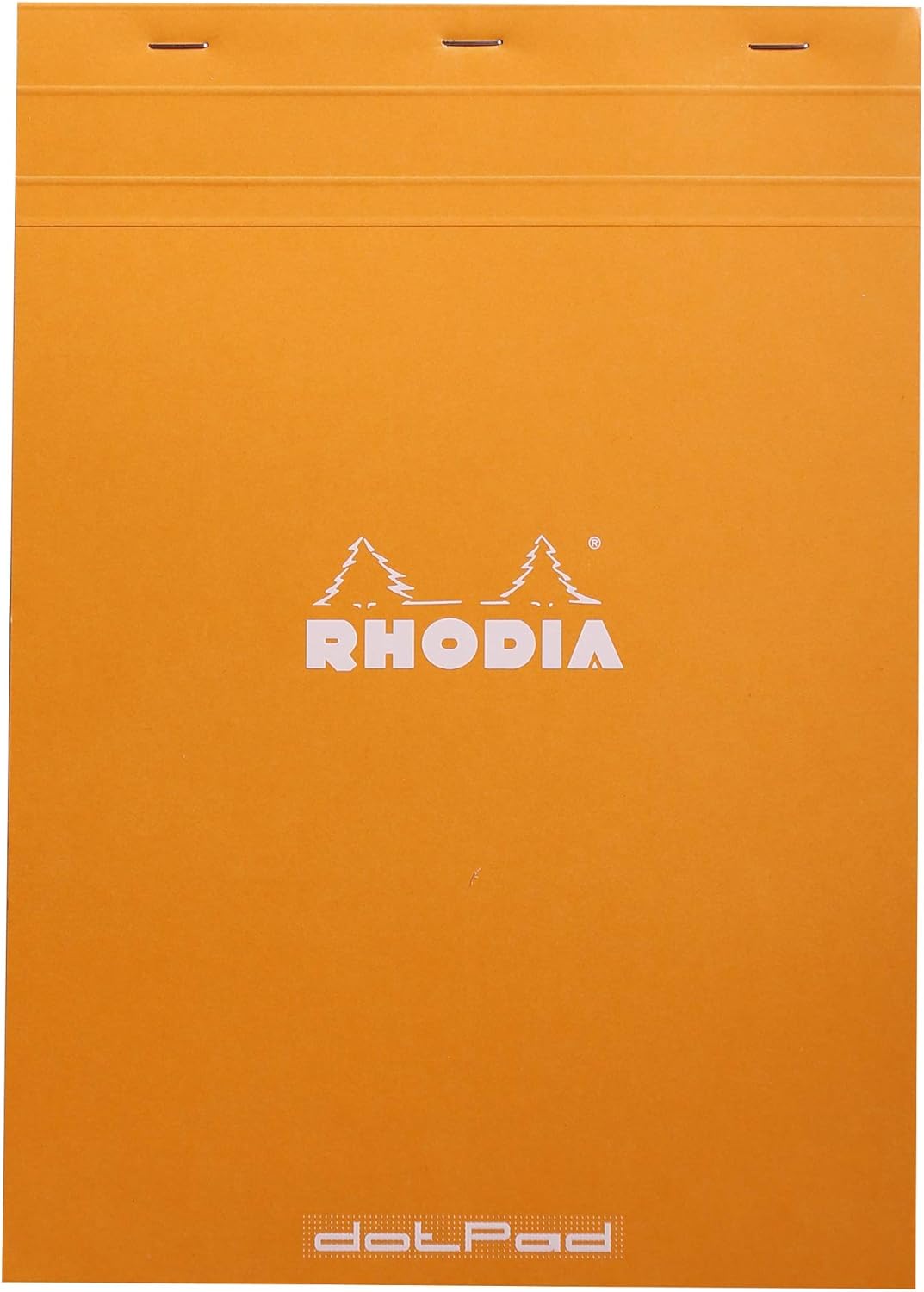
Rhodia Dot Grid Layout Pad
Practice paper rounds out a complete starter set — smooth, non-feathering paper isolates technique problems from paper problems. A cult favorite among calligraphers for keeping letter proportions consistent.
- Dot grid keeps guides visible without cluttering practice pages
- Ultra-smooth finish prevents feathering with sumi ink and fountain-style pens alike
- Pricier per-sheet than plain printer or marker paper
Level 2: The Pilot Parallel — Bridging Into True Calligraphic Letterforms
Once thick-thin contrast is showing up reliably on the brush pen, the next gap to close is letterform structure. Brush calligraphy is pressure-driven; broad-edge calligraphy — the blackletter and italic hands most people picture when they hear “calligraphy” — is angle-driven. The line width comes from the edge of the nib meeting the paper at a consistent angle, not from how hard you press.
The Pilot Parallel is the gentlest way into that skill. It uses a cartridge system instead of a dip-and-load ritual, so there’s still no ink-mixing or spill risk while a beginner is learning to hold the flat nib at a steady angle. It’s a fountain pen in form but a calligraphy pen in function, which makes it a genuinely mess-free bridge between brush pen and dip pen.
The 4-nib-width set gives a beginner years of runway — 1.5mm for fine detail work, up to 6mm for dramatic display lettering — all from one gift. The stock ink runs a little wet out of the box, which can blur thick-thin contrast until technique catches up, but that’s a minor tradeoff for a set this versatile.
If budget is the deciding factor, the single 1.5mm Pilot Parallel is a real alternative, not a downgrade in quality — just in scope. It’s the narrowest, most forgiving width and a good way to test interest before committing to the full set. That said, the 4-width set is the better buy dollar-for-dollar if the budget allows it; it’s less than three times the price for four times the pen.
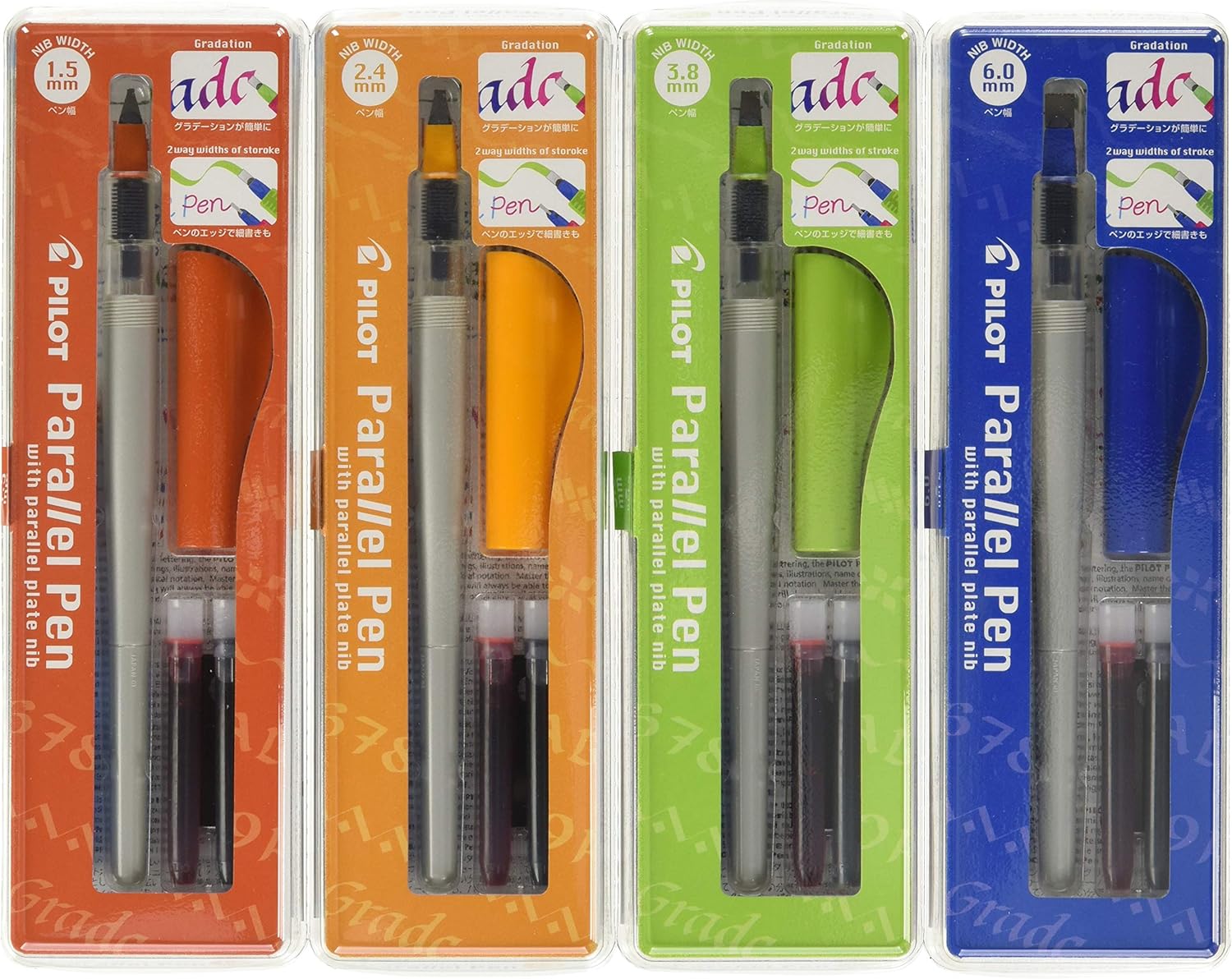
Pilot Parallel Calligraphy Pen Set (4 Nib Widths)
The bridge step: introduces true flat-edge calligraphic letterforms via a cartridge system, so there’s still no ink-mixing or nib-angle guesswork like a dip pen requires. Four widths give a beginner years of growth room.
- Four nib widths in one set means years of runway
- No dipping or spilling — refillable cartridge system stays mess-free
- Stock ink runs wet and can blur thick/thin contrast until technique improves

Pilot Parallel Single Pen, 1.5mm Nib
A budget-tier alternative to the full 4-pen set — the 1.5mm nib is the narrowest and most forgiving width, ideal for testing interest before investing more.
- Much lower price point for gift-budget flexibility
- 1.5mm is the easiest width to control for someone new to angled nibs
- Locked into one width — will need more pens to progress
The Graduation Gift: Dip Pens, Nibs, and Sumi Ink (Only After Fundamentals Click)
This is the stage most gift guides open with, and it’s the one that sinks the most beginners when it arrives too early. Save it. The trigger for this whole stage is the same readiness signal from earlier — consistent thick-thin contrast across multiple practice sessions, not a fixed timeline. Once that shows up, a dip pen adds new challenges on top of a skill that’s already solid instead of on top of one that’s still forming.
The Speedball Basic Calligraphy Set is the standard first dip-pen kit for a reason: its triple-reservoir nibs hold more ink per dip than cheaper alternatives, which forgives the inconsistent dipping rhythm every beginner has at first. Four nib widths let a first-timer explore broad-edge lettering styles without buying nibs one at a time. It doesn’t include ink, and the nibs need a quick wipe or flame-pass before first use to remove manufacturing oil — both easy fixes, but worth mentioning so the gift doesn’t stall on unpacking day.
Pair it with Yasutomo sumi ink rather than a bottle with no pour spout. Spilled ink is a real reason dip-pen kits get abandoned, and a pour spout removes that risk almost entirely. It dries to a true matte black and lasts a long time at 6oz, though it’s thick enough that very fine hairline work benefits from a slight dilution once technique develops.
Once broad-edge basics are comfortable, a straight pen nib holder and a pack of Zebra G nibs open the door to pointed-pen styles like Copperplate. The Speedball holder is deliberately plain — a straight design doesn’t add an extra angle variable while pressure control is still the main thing being refined. The Zebra G is a recurring recommendation in r/calligraphy pointed-pen threads as the “workhorse” nib once someone is ready for it; a 10-pack accounts for the nib breakage that comes with learning how much pressure a flexible pointed nib can actually take.

Speedball Basic Calligraphy Set (4 Nibs + Holder)
The dip-pen entry point — introduced only after brush-pen and Parallel-pen basics are learned. The standard “first dip pen kit” bundle because the triple-reservoir nibs hold ink longer and forgive inconsistent dipping rhythm.
- Triple-reservoir nib design extends ink flow between dips
- Four nib widths let a beginner explore broad-edge lettering styles
- Requires separate ink purchase — not included
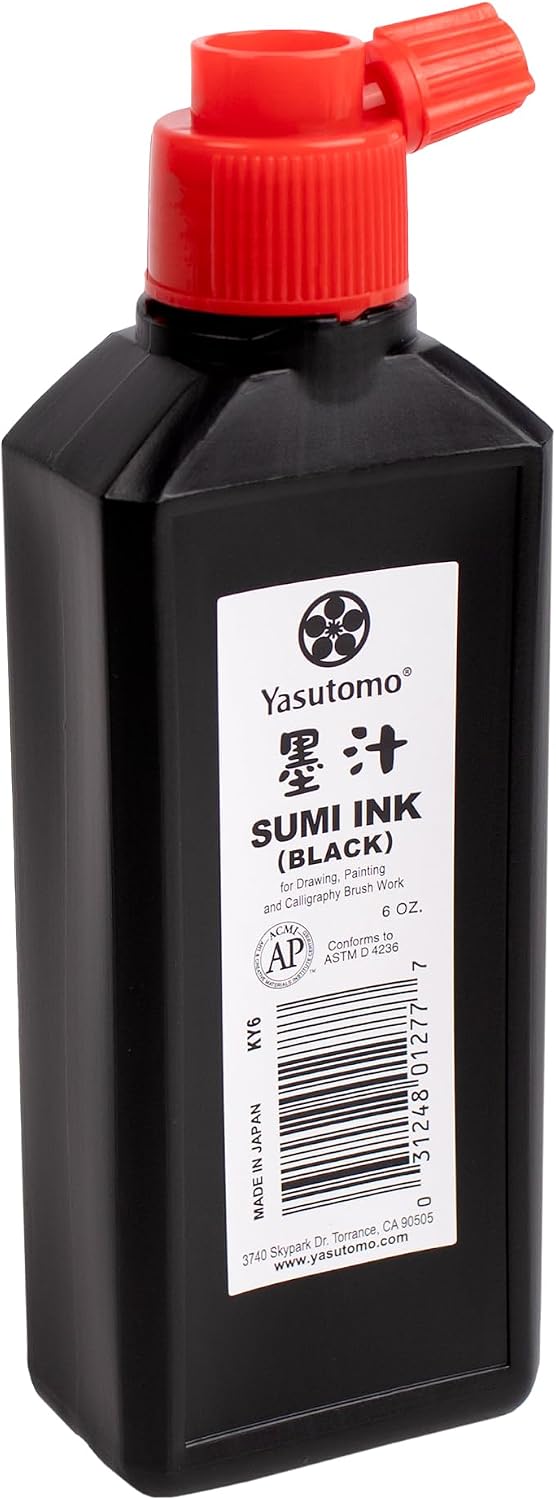
Yasutomo Sumi Ink, 6oz
Pairs with the dip pen once a beginner has basic form down. Pours cleanly without spilling and dries to a true matte black.
- Pour spout prevents the mess that turns beginners off dip-pen ink
- Dries matte and waterproof, won’t smudge once set
- Straight sumi ink can be thick for very fine hairline work until diluted slightly

Speedball Straight Pen Nib Holder
The plain straight holder every dip-pen beginner needs to pair with the Zebra G nib. A straight holder doesn’t add an extra angle variable while a beginner is still learning pen pressure.
- Inexpensive enough to buy backups
- Universal fit works with Speedball, Zebra, Nikko, and most standard nibs
- Very basic plastic construction — no ergonomic grip padding

Zebra G Nib, Pack of 10
Once a beginner is ready to move from broad-edge Speedball nibs into pointed-pen (Copperplate-style) calligraphy, the Zebra G is the community’s near-universal recommendation. A pack of 10 accounts for normal early nib breakage.
- Sharper hairlines than most beginner nibs once technique develops
- Community-standard “workhorse” nib for pointed-pen work
- Needs a nib holder (not included)
Gifts That Support Practice, Not Just Pens
Pens get the attention, but structured practice is what actually builds the skill. The Modern Calligraphy Practice Workbook is spiral-bound, which sounds like a small detail until you’ve tried to trace letterforms in a book that won’t stay open. It lays completely flat next to whichever pen the recipient is using that week, brush pen through dip pen, which makes it useful across the entire sequence in this guide rather than tied to one stage.
It’s written by a working letterer rather than packaged by a generic gift-book publisher, which shows in the pacing of the exercises. The tradeoff: it leans toward modern brush-calligraphy forms, so someone dead-set on traditional Copperplate script specifically will want a dedicated pointed-pen workbook eventually. As a companion gift to the brush pen or the Parallel set, though, it’s one of the few “extras” in this category that actually gets used past the first week.
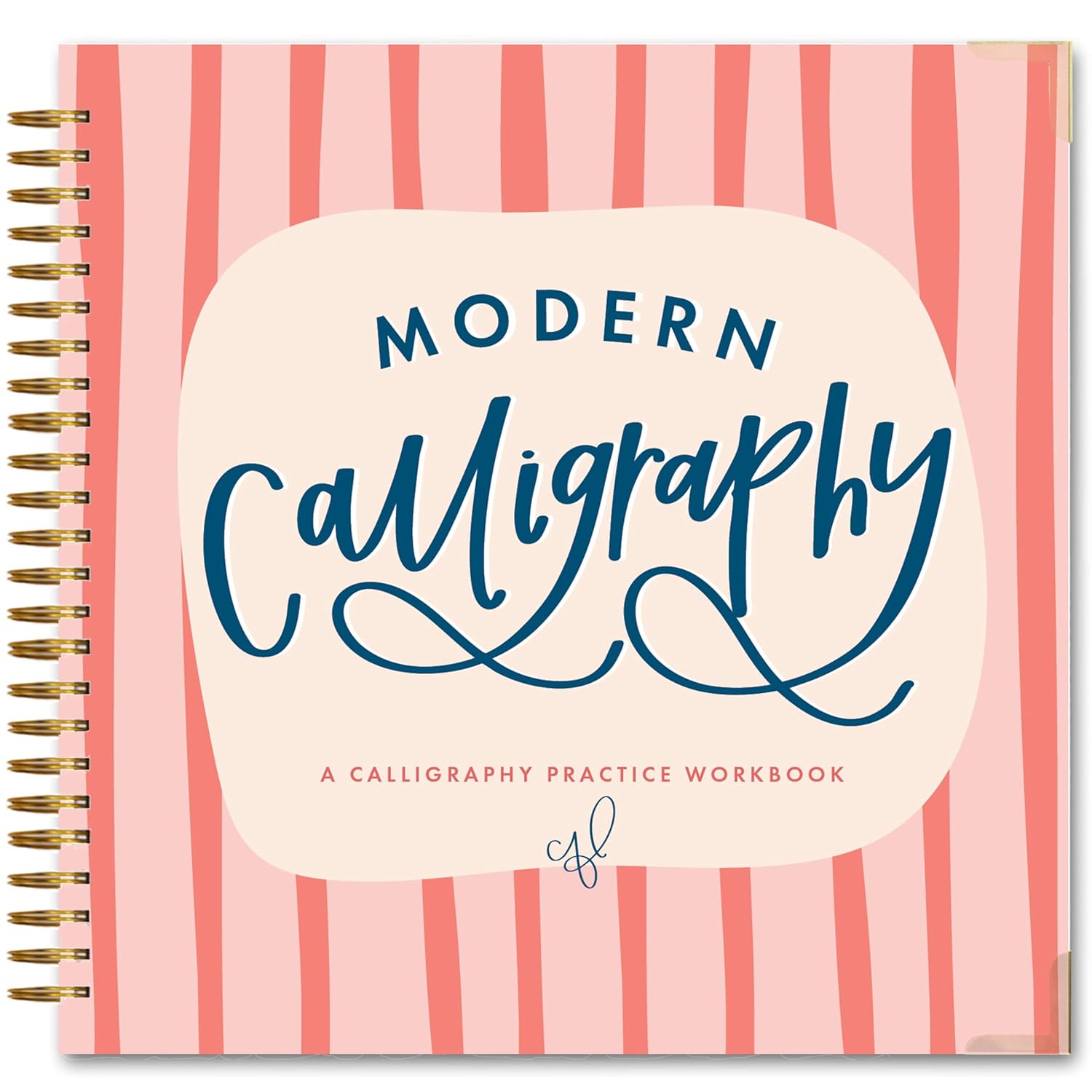
Modern Calligraphy Practice Workbook
The structured practice book that ties the whole sequence together — spiral-bound so it lays flat next to whichever pen the beginner is using that day, brush pen through dip pen.
- Spiral binding lays completely flat for tracing practice, unlike perfect-bound books
- Written by a working letterer, not a generic gift-book packager
- Focuses on modern/brush calligraphy forms rather than traditional dip-pen scripts
What to skip
Skip the all-in-one “modern calligraphy set” bundles that pack a dip pen nib, ink, and holder alongside brush pens for a first-time gift. They force a beginner to context-switch between two totally different physical skills — pressure-and-release brush control versus angle-and-flow nib control — before either one is fluent. That’s the single biggest reason starter kits end up in a drawer, and it’s an easy trap to avoid by buying the two stages separately and sequencing the gift over time instead.
Think of this as a two-stage relationship with the hobby, not a one-time purchase. Give the brush pen starter now — it’s inexpensive, low-pressure, and genuinely teaches the foundational skill. Flag the dip pen upgrade as a future gift, tied to a real milestone: consistent thick-thin transitions on the brush pen across multiple practice sessions, not a birthday or a holiday on the calendar.
That structure does double duty. It keeps the first gift from overwhelming someone who’s never held a calligraphy pen, and it gives you a built-in reason for a second gift down the line — one that actually lands, because by then the recipient will know enough to appreciate what a dip pen adds instead of being confused by what it demands.
If you’re deciding between the brush-pen starter and the Parallel pen set for a first gift, default to the brush pen. It’s cheaper, it isolates the one skill that matters most at the start, and it tells you — through how the recipient actually uses it — whether a bigger investment in this hobby is worth making next.