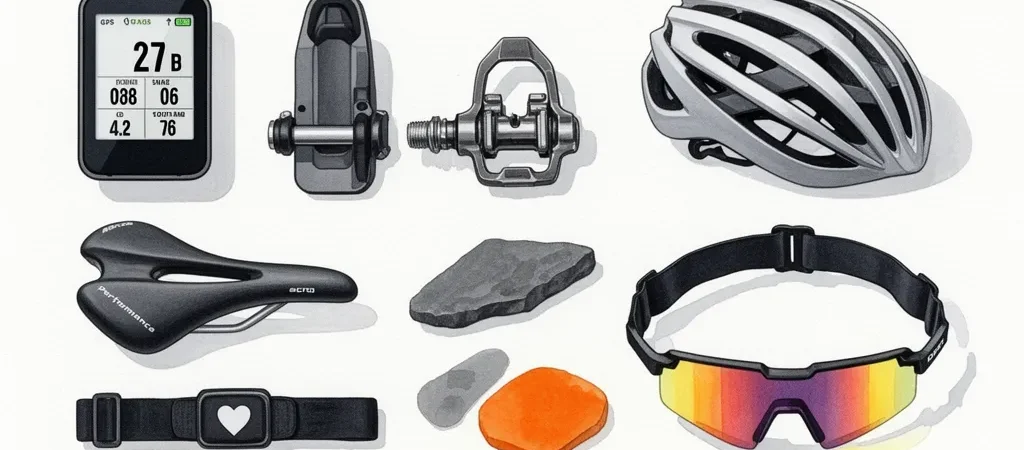
An intermediate cyclist riding 50-100+ miles a week, doing group rides, and eyeing a first century or gran fondo has outgrown the starter kit. The upgrades that matter now are about data, training, and the contact points that decide comfort over long efforts: a GPS computer that tracks zones and routes, a smart trainer for structured indoor work, real performance pedals, and a saddle and helmet built for hours in the drops. Every pick is stocked at Austin shops like Mellow Johnny’s and Bicycle Sport Shop and cross-referenced against r/cycling, r/Zwift, and r/Velo.
How we pick these gifts
- Specialty shops first: Every pick is stocked at Mellow Johnny’s, Bicycle Sport Shop, Specialized Austin, Austin Tri-Cyclist, or REI.
- Community consensus: Cross-referenced against r/cycling, r/Zwift, r/Velo, and BikeRadar / Cycling Weekly group tests.
- Performance and training, not the basics: Data, structured indoor training, and upgraded contact points — for a committed rider, not a beginner.
- Budget range: $50 to $600 — from a heart-rate strap to a direct-drive smart trainer.
The Data: GPS Bike Computers
A GPS head unit is the defining intermediate upgrade — it turns rides into trackable training. The choice comes down to simplicity (Wahoo) versus coaching depth (Garmin).
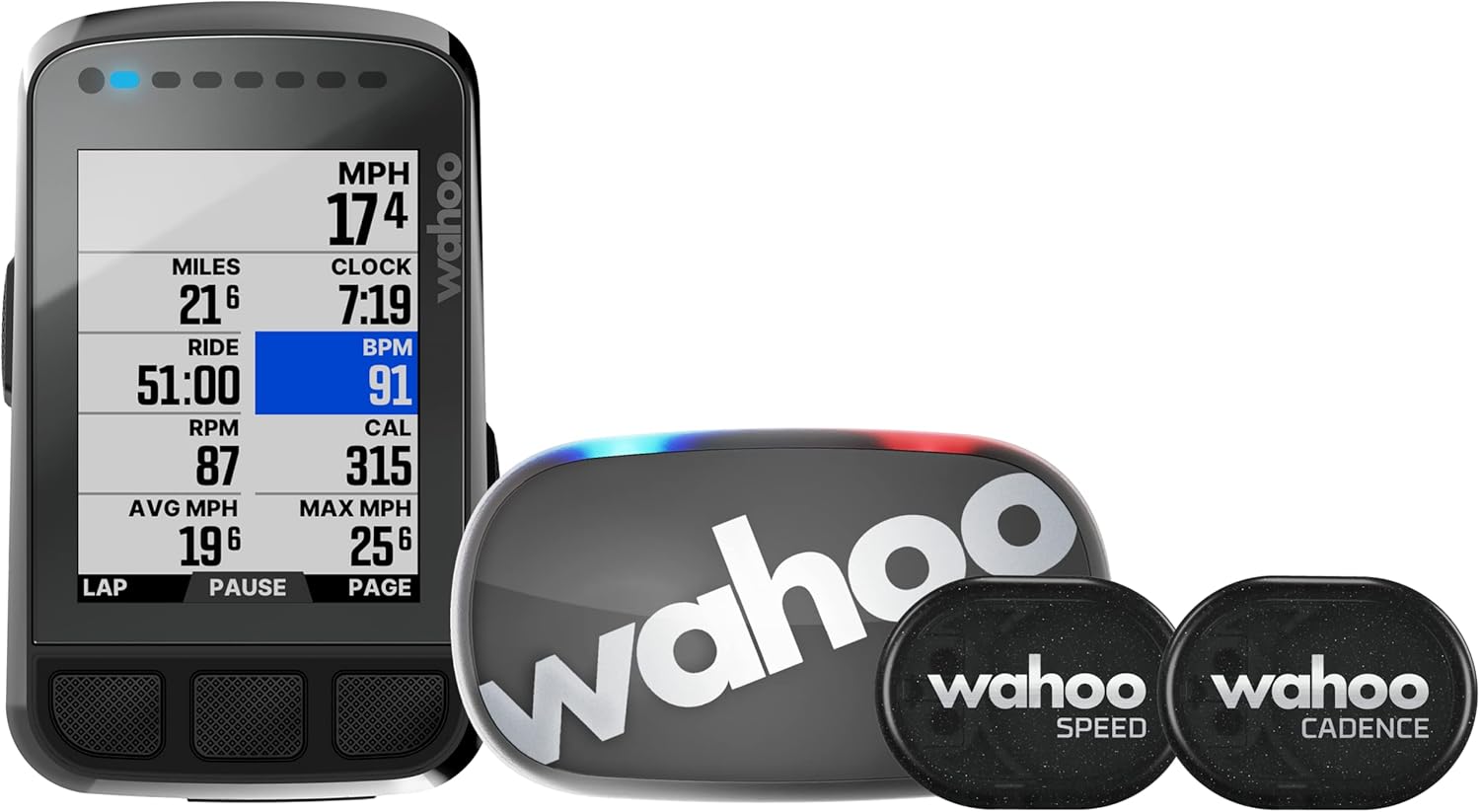
Wahoo ELEMNT BOLT V2 GPS Bike Computer
The most-recommended computer in ‘which GPS head unit’ threads for committed riders who want clean data without the Garmin menu maze. Forum consensus repeatedly favors the BOLT V2 as easier to learn and operate while riding. App-based setup and the color climb display fit a rider who understands zones and is targeting a first century.
- Phone-app pairing is the gold standard for fuss-free sensor and route setup
- On-bike usability and ~15hr battery beat the Garmin for long century rides
- Clean, glanceable data fields
- Maps and on-board navigation less detailed than Garmin’s Edge
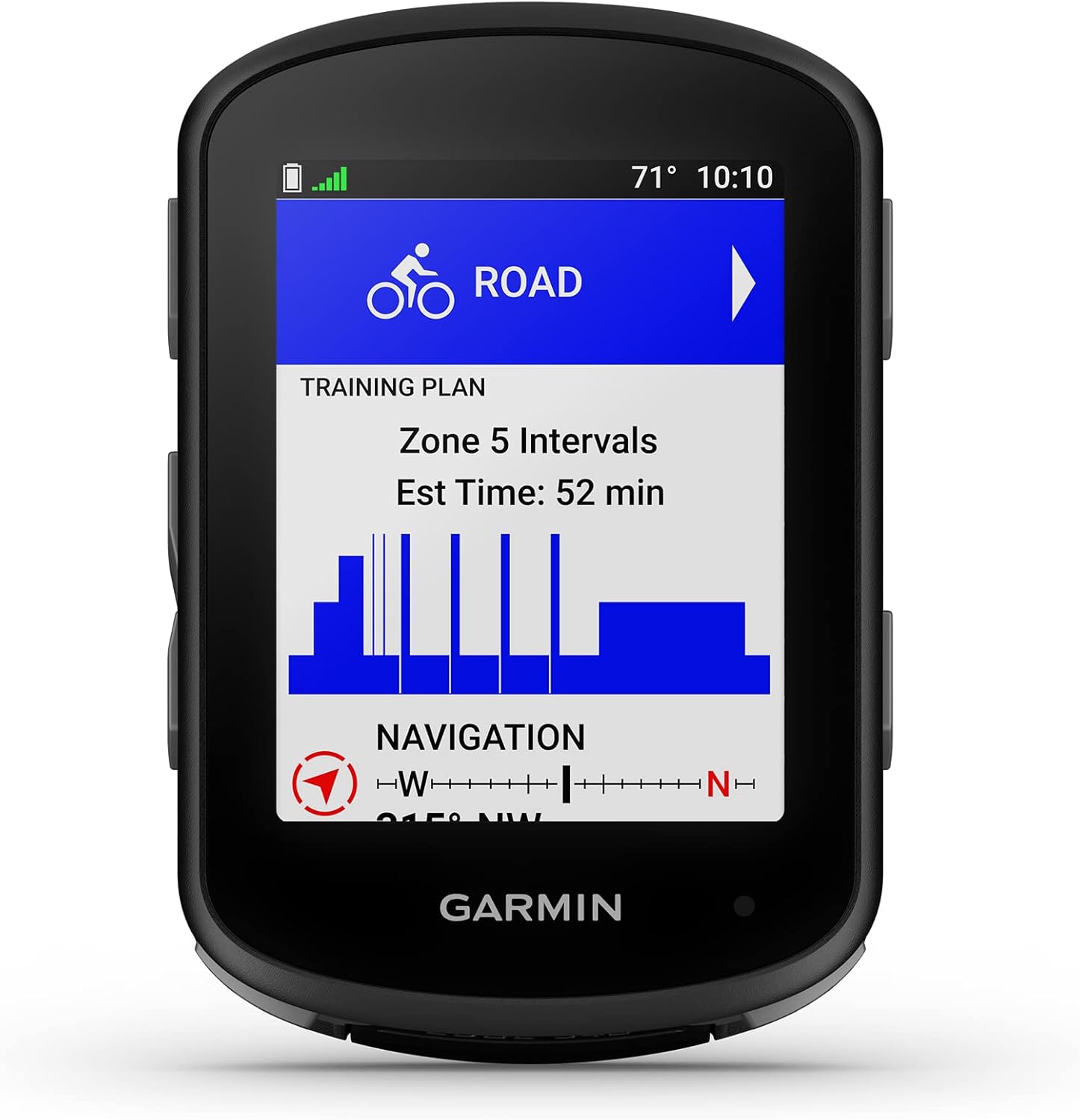
Garmin Edge 540 GPS Cycling Computer
The performance-data counterpoint to the Wahoo, and the forum pick when a rider wants structured training: targeted adaptive coaching, VO2/recovery metrics, and the Climb Explore feature that lists and maps nearby climbs. Ideal for an intermediate who wants the unit to coach the build toward a gran fondo.
- Climb Explore and detailed mapping outshine the Wahoo for route-finding
- Adaptive training and recovery metrics genuinely useful for a fitness-chasing rider
- Deep data for zone-based training
- Button-driven menus have a steeper learning curve than Wahoo’s app-first setup
- Heavier battery draw with power-hungry data fields
Indoor Training: The Smart Trainer
For a rider serious about fitness, a smart trainer is the single biggest performance unlock — structured intervals and Zwift through the off-season.
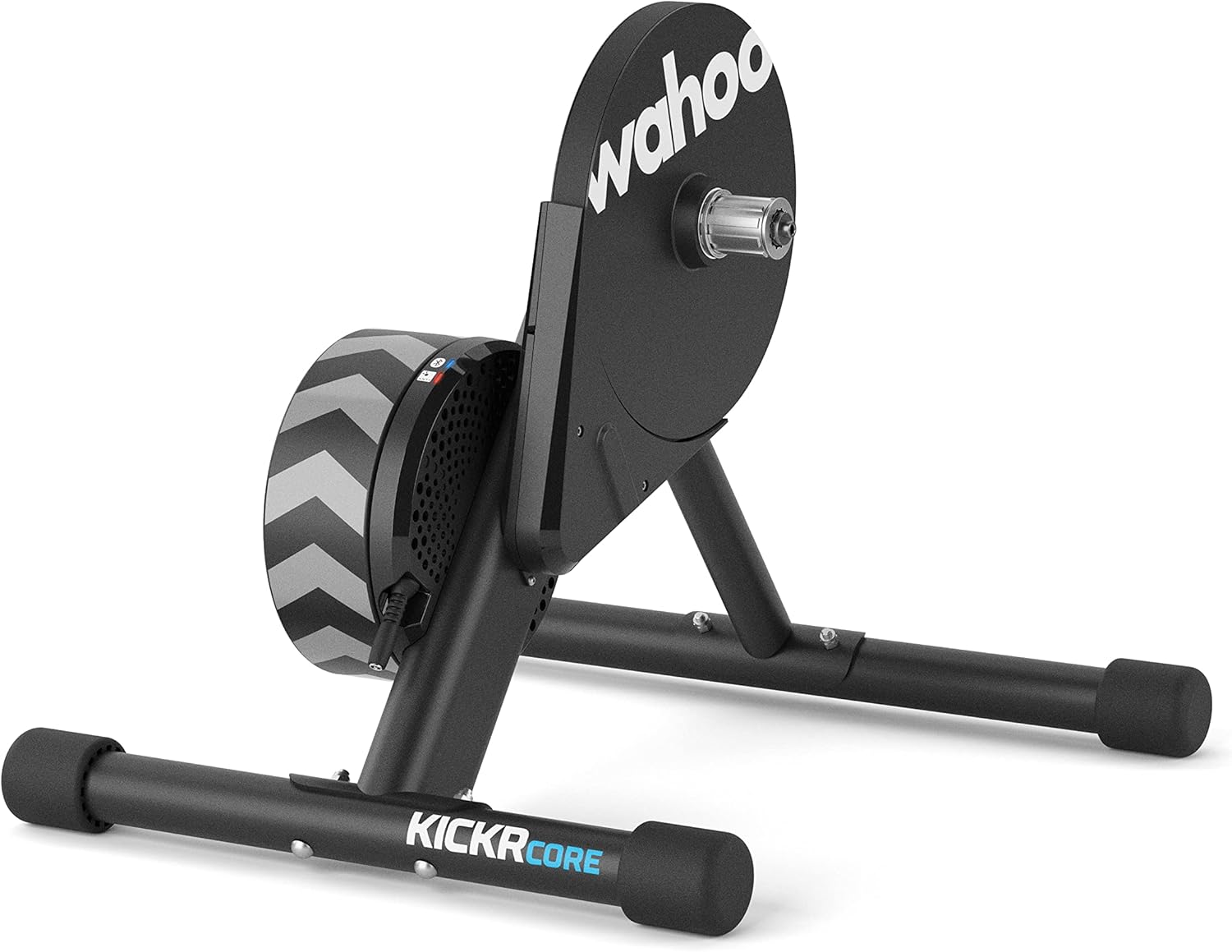
Wahoo KICKR CORE Smart Trainer
Universally cited in r/Zwift as ‘the only smart trainer most of us will ever need’ and the default direct-drive recommendation once a rider is logging serious mileage. The 12 lb flywheel, 1800W ceiling, and ANT+ FE-C / Bluetooth connectivity fit an intermediate who wants accurate, repeatable indoor training for off-season fitness.
- Direct-drive accuracy and realistic road feel that wheel-on trainers can’t match
- Broad app compatibility (Zwift, TrainerRoad, Rouvy, FulGaz) and rock-solid connectivity
- The consensus ‘buy once’ trainer
- Cassette is not always included — may need to add one to match their groupset
- Largest budget item here
Performance Contact Points: Pedals, Helmet, Saddle
The three places body meets bike. Upgrading them is where comfort and power transfer improve most for a rider adding weekly volume.

Shimano 105 PD-R7000 SPD-SL Pedals
The perennial forum answer to ‘best value road pedal upgrade’ — 105-level SPD-SL gives near-Ultegra performance and a wide, stable platform at a fraction of the cost. For an intermediate already on clipless, this is the sweet-spot durability-and-weight upgrade that pairs with any SPD-SL shoe.
- Wide carbon platform and low stack height give excellent power transfer and stability
- Bombproof Shimano durability and easy cleat availability; ships with SH11 cleats
- Near-Ultegra performance at 105 price
- SPD-SL cleats are not walkable — poor for cafe-stop gravel days versus two-bolt SPD

Giro Aries Spherical MIPS Road Helmet
Editorial testing crowned the Aries Spherical the best-ventilated helmet tested, with integrated Spherical (MIPS) protection — exactly the aero-plus-airflow balance an intermediate riding long Texas-summer miles needs. The premium pick for a committed rider upgrading from an entry-level lid.
- Class-leading ventilation with internal channeling keeps a rider cool on 50+ mile rides
- Spherical/MIPS rotational-impact protection plus very low weight
- Best-in-test airflow
- Premium price; diminishing returns versus a good mid-tier lid

Specialized Power Pro Saddle
The short-nose, large-cutout Power is the most recommended saddle upgrade in road forums for riders adding weekly volume — the relief channel addresses the soft-tissue numbness that surfaces on first centuries. A targeted comfort/performance upgrade for an intermediate spending more hours in the saddle.
- Pressure-relief cutout and short nose excel for aggressive, long-duration positions
- Wide adoption means it’s easy to demo a sister size at a local shop first
- Solves numbness that surfaces on long rides
- Saddle fit is personal — a great saddle for one rider can be wrong for another
- Pricey versus budget alternatives
Train and See: HR Monitor and Sunglasses
Accurate heart-rate data for interval training, and the eyewear that handles Austin’s bright-to-overcast range.

Wahoo TICKR Heart Rate Monitor
For a rider who already understands zones, a real chest strap beats wrist optical HR for accuracy on intervals — and the TICKR is the budget upgrade that closes out the kit. Dual ANT+ and Bluetooth pairs to both the bike computer and Zwift simultaneously.
- Dual-band ANT+/Bluetooth pairs to a head unit and Zwift at the same time
- Accurate, low-cost entry to true zone-based training
- A recurring ‘just buy the TICKR’ pick in training threads
- Chest strap comfort and occasional dry-strap dropouts frustrate some users

Tifosi Rail Cycling Sunglasses (3-Lens)
The underrated forum darling — reviewers consistently say Tifosi delivers 90% of the performance of top brands at half the price. The Rail’s large-coverage shield with three included lenses covers Austin’s bright-to-overcast range. The smart, non-Oakley pick for a rider who wants pro-level coverage without the $250 price tag.
- Three interchangeable lenses cover bright sun, overcast, and low light in one purchase
- Huge coverage and venting at roughly a third the cost of premium-brand equivalents
- Forum value champion
- Rimless shield style won’t suit every face shape — try before committing if possible
What to skip
Skip a power meter as a gift unless you know their exact crankset and groupset — fit and compatibility are too specific to guess. Skip premium carbon wheels at this stage; the smart trainer and contact-point upgrades deliver more real-world benefit per dollar. Skip a second GPS computer if they already have one they like. And remember a saddle is personal — if their current one is comfortable, redirect that budget to the trainer or pedals.
The intermediate rider’s biggest gains come from training smarter and being comfortable enough to ride longer. If you buy one big gift, the smart trainer or a GPS computer transforms how they train. If you’re building a bundle, the pedals, TICKR, and Tifosi glasses together arm a performance-minded rider for under $260 — and a Power saddle is the highest-impact comfort upgrade if their current one leaves them numb.